
In medicine, time is often the difference between life and death. Whether transporting a trauma patient, delivering a donor organ, or moving a specialized surgical team, every minute saved can significantly improve the chances of a successful outcome.
Ground transportation remains essential, but traffic congestion, long distances, and difficult terrain can introduce delays that critically ill patients simply cannot afford. This is where helicopters have become indispensable. For decades, they have provided rapid access to hospitals, remote communities, and accident sites, allowing medical teams to reach patients, and patients to reach treatment far faster than traditional transport.
The same urgency applies to organ transplantation. Donor organs have a limited window of viability, making fast, carefully coordinated transport essential. Air mobility has become a cornerstone of modern transplant logistics, connecting hospitals and ensuring that organs arrive in time for life-saving procedures.
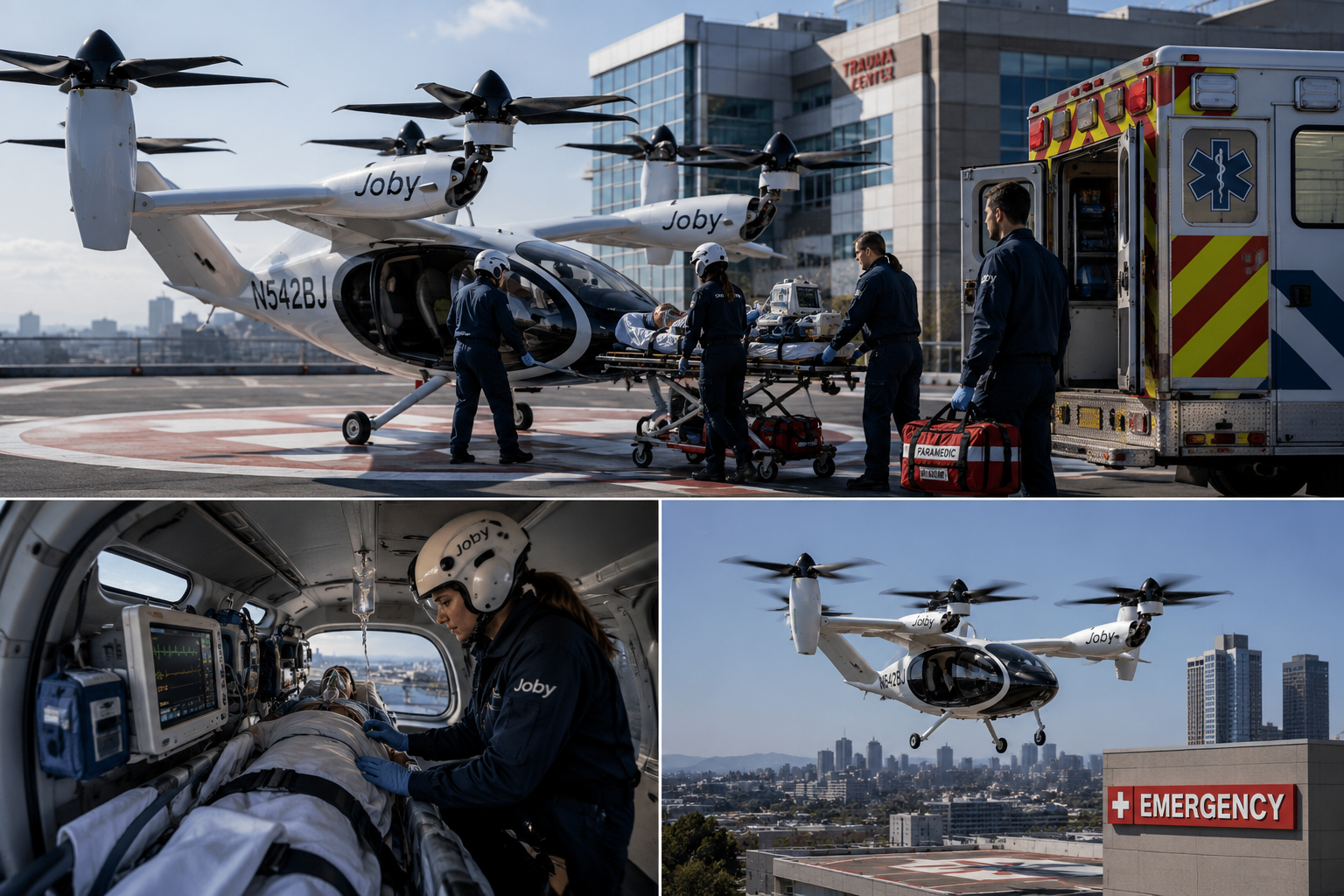
Looking ahead, electric vertical take-off and landing (eVTOL) aircraft have the potential to complement existing helicopter operations. Their lower operating costs, quieter flight profiles, and ability to use compact landing sites could make rapid medical transport more accessible, particularly in urban areas where road congestion is a constant challenge.

“New technologies are taking pilot training to the next level.”
While helicopters will continue to play a vital role in emergency medicine, eVTOL technology could expand the network of time-critical healthcare transportation. Shorter response times, more frequent missions, and greater operational flexibility may help hospitals move patients, medical personnel, blood products, and donor organs with even greater efficiency.
As advanced air mobility continues to evolve, its greatest impact may not be measured in flight hours or technology alone—but in lives saved. Because in emergency healthcare, the most valuable resource isn’t the aircraft.
It’s time.
The future of aviation isn’t only about moving people faster—it’s about giving patients a better chance when time is running out.
Do you believe eVTOLs will become part of everyday emergency healthcare?
